Women’s History Month often brings stories of famous women who changed the world; Daisy Bates, Dorothy I. Height, Harriet Tubman, and Phyllis Wheatley whose names appear in textbooks. While those stories are important, there is another group of women whose histories deserve just as much attention: the women in our own families.
The women in my family include Patricia Hatchett Mays, Gladys Denson Mays, Ernestine Wright Hatchett, Nona Skipper Wright, Carrie Goodlow Flemming, Josie Ward Skipper, and Evaline Mudd Hatchett. Knowing the stories of the women who came before us helps us understand who we are, where we come from, and the strength that runs through our family lines. These women may not have had monuments built in their honor or books written about their lives, but they shaped families, communities, and generations in powerful ways.
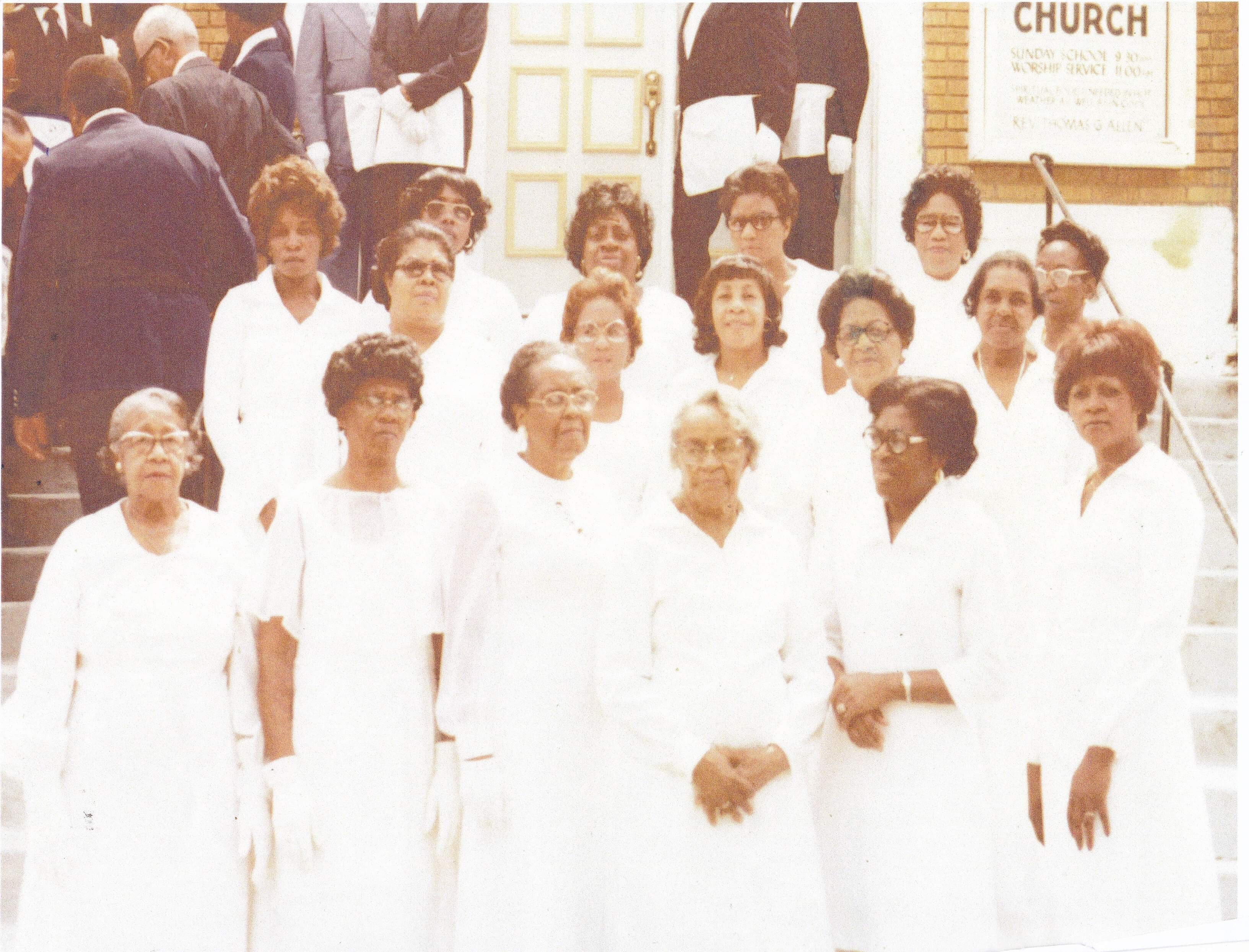
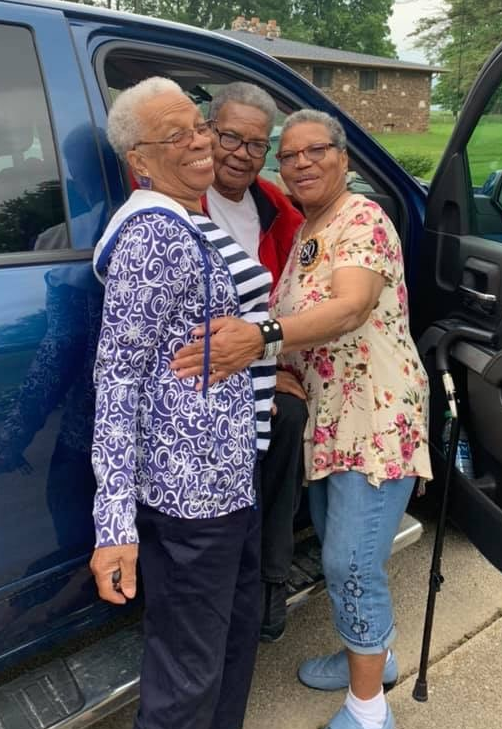
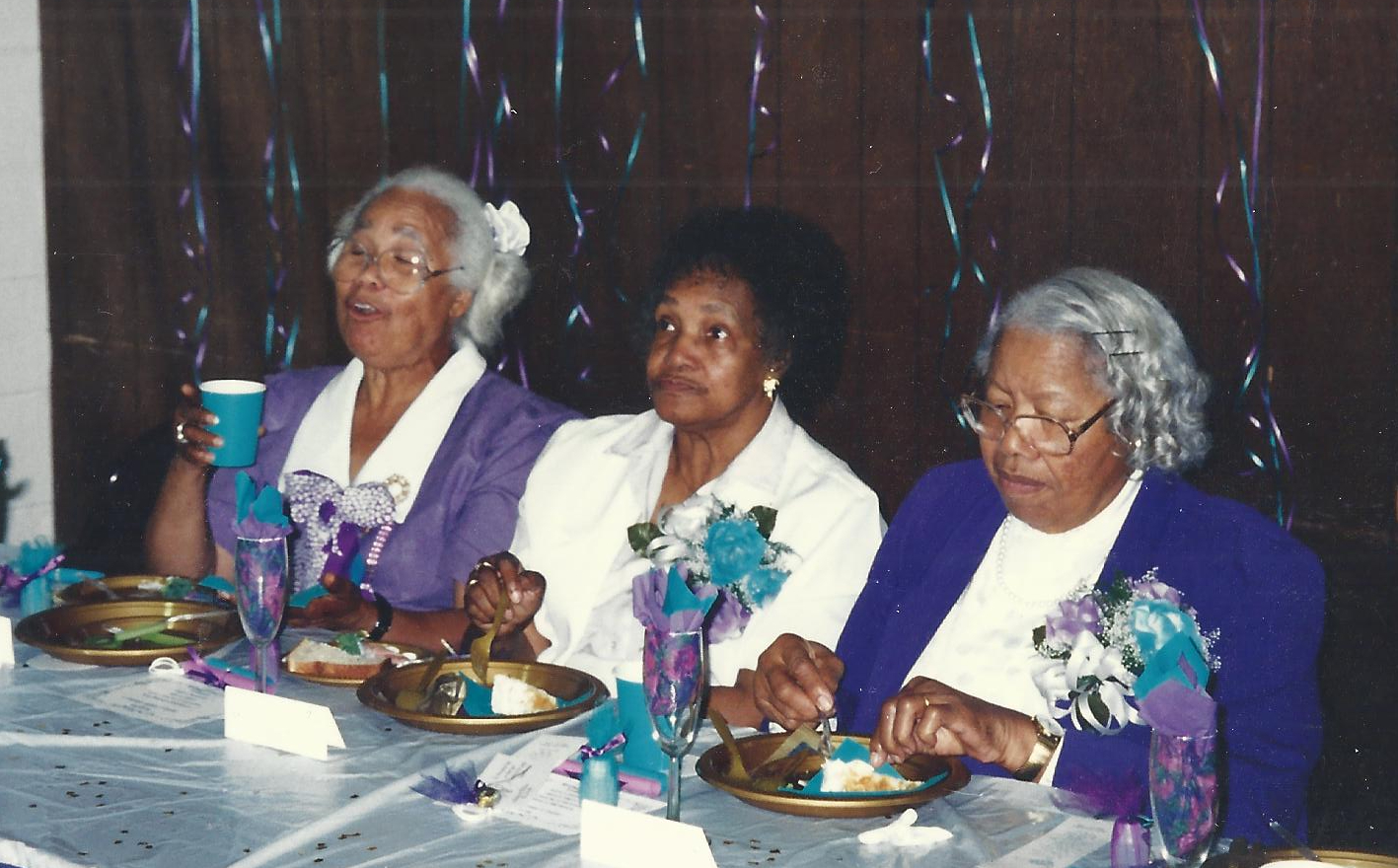
Researching the women in our family history, however, can be challenging. One of the biggest obstacles is name changes. Many women changed their surnames when they married, sometimes multiple times, making it difficult to follow them consistently through records. A woman might appear under her maiden name in one document, her married name in another, and sometimes only as “wife” or “daughter” with no given name at all.
The time period also matters. In the 1800s and early 1900s, women often could not vote or own property in their own names. Because of this, they may not appear in land records, tax lists, or voter registrations the way men do. Their lives were documented differently which can make them harder to trace. But difficult does not mean impossible.
To uncover the stories of women in your family, it helps to look beyond traditional records. Community documents can be incredibly valuable. Church records may list women as members, Sunday school teachers, or participants in women’s auxiliaries. School records can reveal education, teaching careers, or involvement in local schools. These records often place women in the center of their communities, even when official government documents do not.
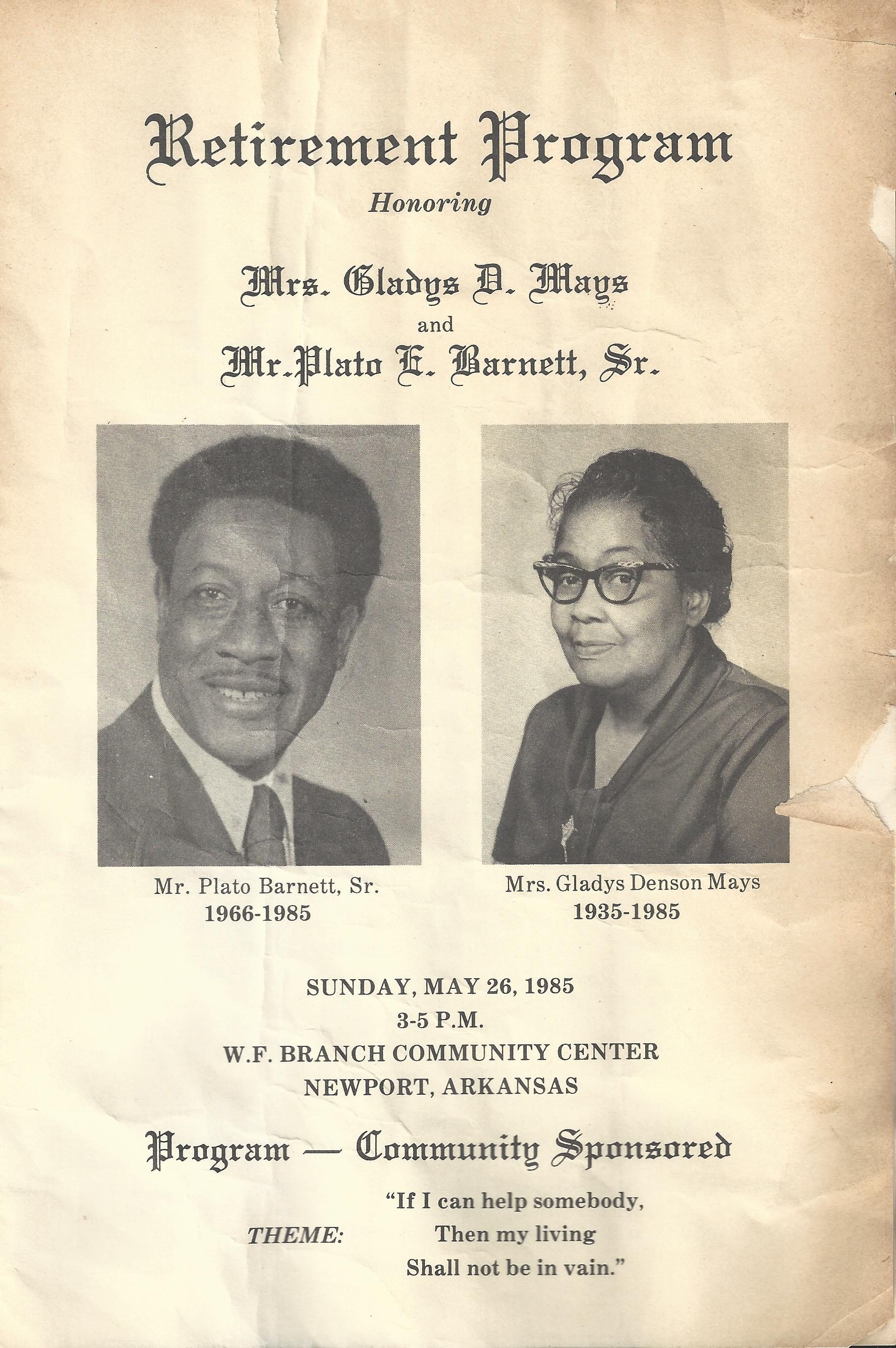
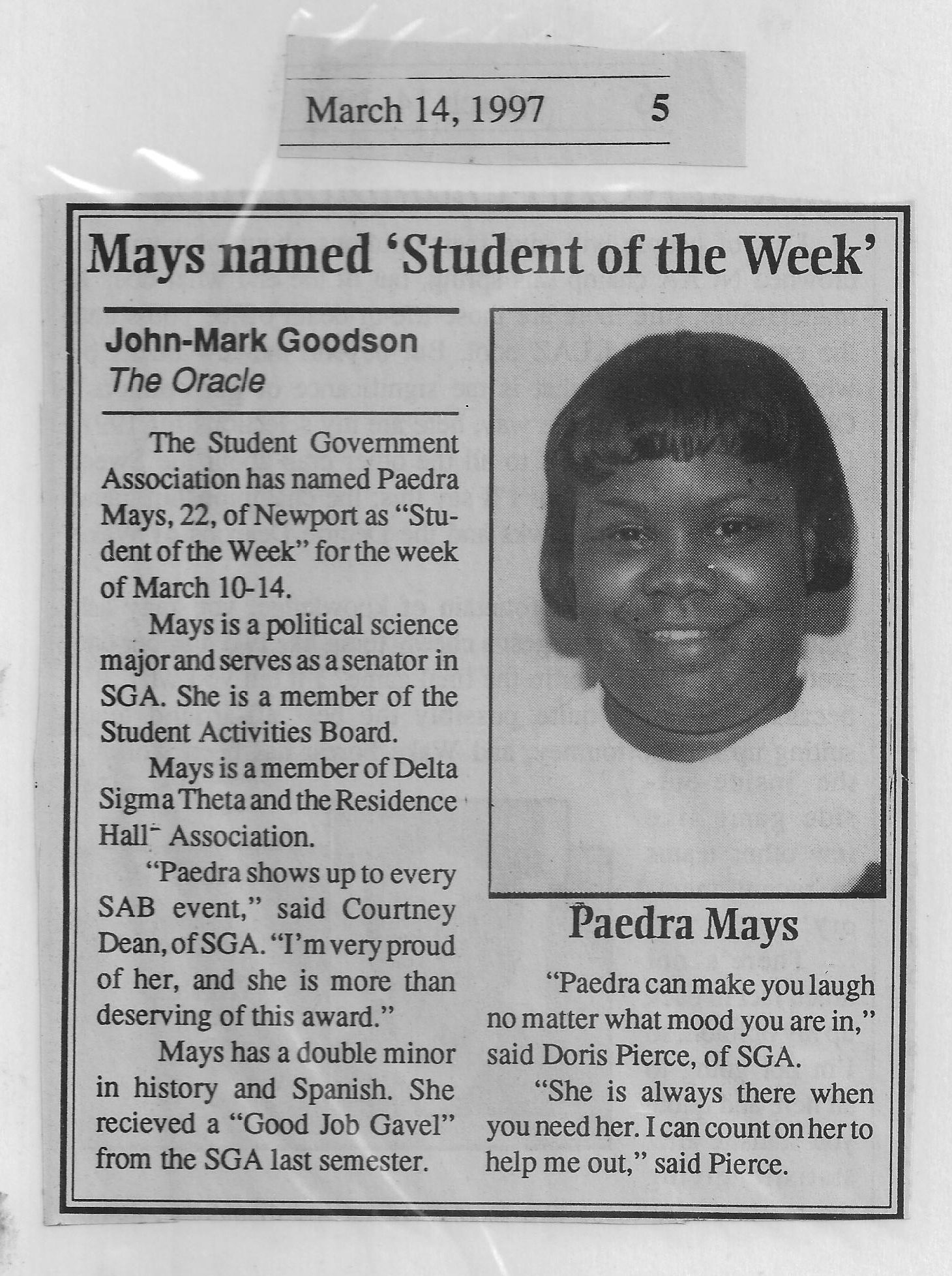
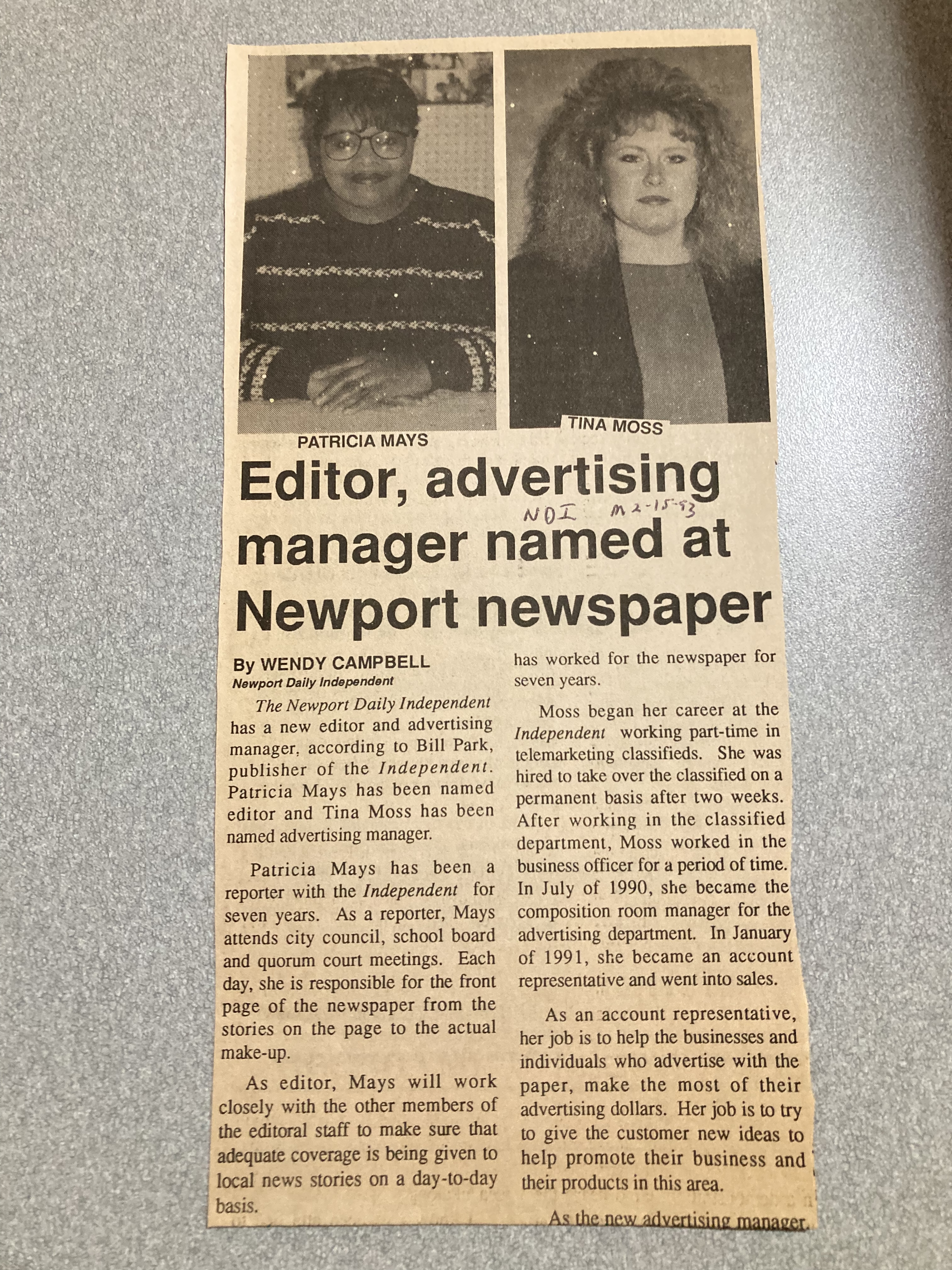
Newspaper research is especially powerful. Newspapers can provide glimpses into everyday life through marriage announcements, social columns, church news, obituaries, and community events. These articles often mention women by name and describe their relationships, achievements, and roles in ways no other record does.
By researching the women in our families, we honor their resilience, sacrifices, and contributions, both seen and unseen. Women’s History Month is not just about celebrating history-makers whose names we already know. It’s also about remembering the women who held families together, pursued education when it wasn’t encouraged, served their communities, and quietly laid the groundwork for future generations. When we tell their stories, we make sure they are not forgotten. And in doing so, we expand women’s history to include the women who made our lives possible.
 Journey Through the Generations
Leave a comment