NOTE: I accepted the 52 Ancestors in 52 Weeks challenge headed by fellow genealogy blogger Amy Johnson Crow. The idea behind this challenge is that you will receive email prompts, a word or phrase, every week, and you find something about your research or family history to write about. Click HERE to read my first 52 Ancestors blog post in 2019.
If I’m being completely transparent, I really haven’t had to utilize military records in my research. For that reason this isn’t my strong area of research. I know that I have family members that has served in the military. But for whatever reason, no one really ever talked about their service. I know the basics about the military in general and for research purposes.
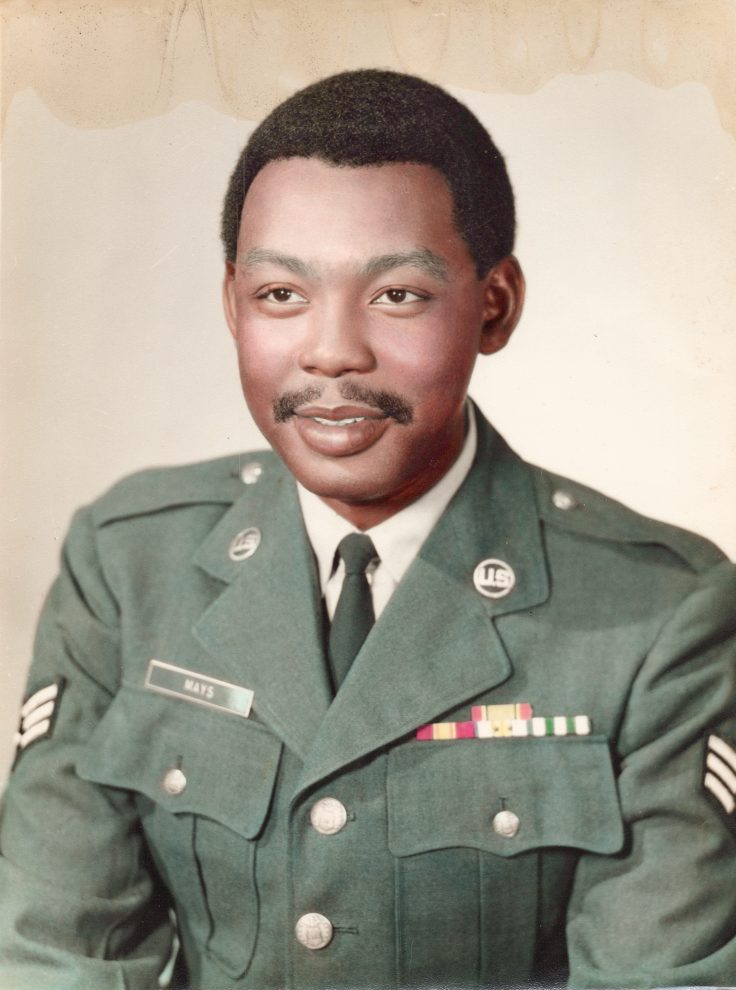
My uncle, Air Force Sergeant Leslie S. Mays – 1968
I can honestly say I don’t remember hearing many conversations about my family being in military growing up. I knew my Uncle had served, but he didn’t talk about it much if any at all. The first time I remember us having a real conversation was in 2019 about him telling me and my brother about his DD214. I had no idea what that was or why he was telling us about it. I just listened. After that conversation, I looked up what a DD214 is. It is the Certificate of Release or Discharge from Active Duty. This is a crucial document for veterans that serves as proof of their military service and is essential for accessing benefits and services. It summarizes a veteran’s active duty service, including dates of service, commendations, and the reason for separation.
Although I don’t know many details about his service time, he wanted to make sure that we knew where his discharge papers were. I didn’t understand why he was so adamant about us knowing where it was until we needed it after he passed away. Having that document made it possible for us to ensure that he had all the benefits of being a veteran and accessing his pension information.
I have a podcast that we recorded a couple of years ago about military records. It goes over the basics of where to find military records online, at the National Archives, and in the research you have already done. Thank you to all that have served and protected our country and who are continuing to serve and protect today.
Click HERE to read my 2019 52 Ancestors in 52 Weeks: Bachelor Uncle post
 Journey Through the Generations
Leave a comment